Stop Guessing at the Grocery Store!

We’ve reached the last week of October, and with it the TENTH installment of the Coaching Corner fitness and nutrition blog. What new habits have you implemented so far? What topics would you like covered over the next ten weeks? Don’t be afraid to reach out with your requests!
Before we dive into some obligatory Halloween candy, let’s talk about the one thing that can tell you what you’re consuming on a daily basis. It may sound a little anticlimactic, but it really can change what you’re willing to purchase and put in your body. It’s the nutrition label!
Stay with me on this; let’s talk about it:
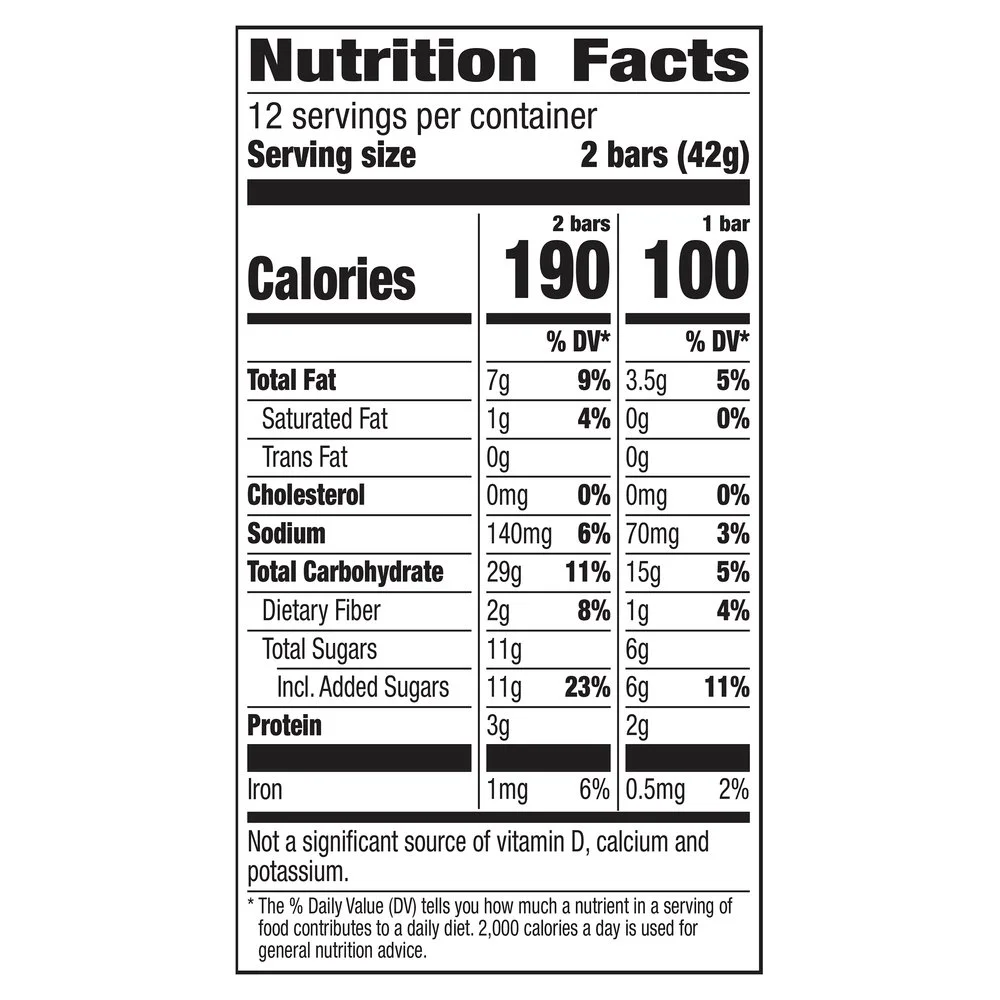
Flip over that box of “low-cal” snacks, and let’s figure out what’s really in it and if it’s actually supporting your nutrition goals…
Let’s start with the basics:
Serving Size: did you know the listed serving size is not a recommended serving size? It’s for informational purposes only — you could need more or less for your specific dietary needs.
Ingredient list: ingredients are listed from most prevalent to least. Is sugar listed as the second ingredient? Well, then sugar makes up more of that food than almost anything else.
*Try this: look for products with 5 or less ingredients and with only ingredients that you recognize.
The Percent Daily Value (%DV) will let you know if a product is particularly HIGH or LOW in a nutrient.
Use the “5 and 20” rule!
Generally, a % Daily Value of 5 or less means the product is LOW in that nutrient, and a % Daily Value of 20 or more means it is HIGH.
*Try this: look for products that contain a % Daily Value of 5 or less in:
Total Fat
Saturated Fat
Cholesterol
Sodium
Look for a % Daily Value of 20 or more in:
Fiber
Vitamins
Minerals
*ADDED sugar should make up no more than 10% of your daily calories, and you’ll find it lurking in many unexpected products — like pasta sauce and salad dressing.
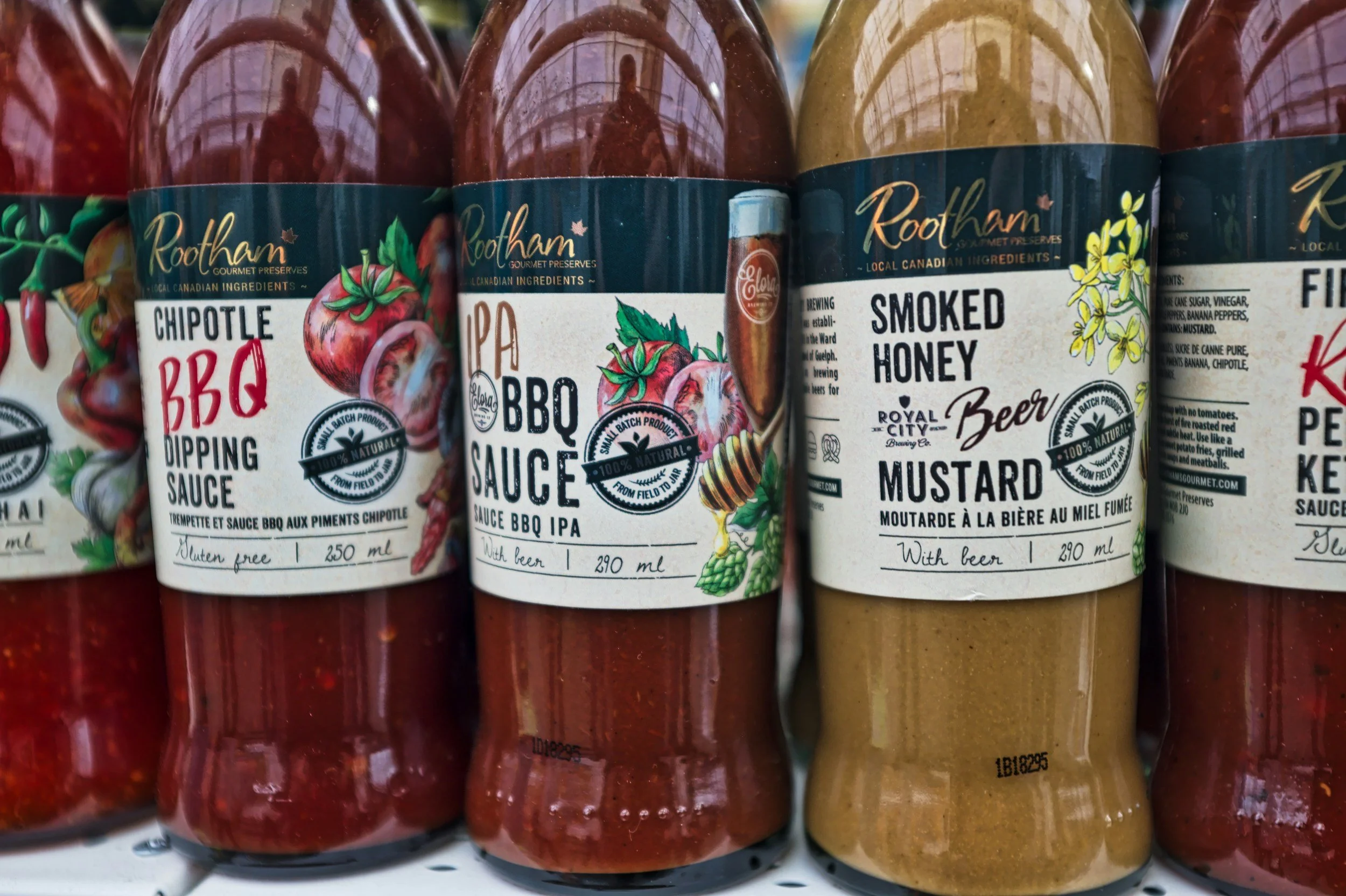
Finally, don’t be fooled by clever marketing! Oftentimes products use these misleading terms to make a product sound healthier:
“Cage Free” on poultry products means chickens had access to roam outside the cage, but there is no guarantee that they did.
“Grass Fed” on beef products means cows were fed grass vs grain or corn for their primary source of food, but there are no government standards or regulations for this.
“Natural” … there’s no actual definition for this other than meat and poultry can’t contain artificial ingredients, colors, or preservatives.
“Pasture Raised” means the animals spent time on pastures or outdoors for a period of time, however there is no clear indication of how much time, and no government standards or regulations.
This week: look over the nutrition labels on the products in your kitchen — does anything surprise you?

Hi, I'm Cassandra! I'm a Certified Personal Trainer, Nutritionist, and Pre/Postnatal Fitness Specialist based in New York City where I've also been performing in theatre and film since 2015. I began studying with the National Academy of Sports Medicine so that I could help battle the harmful effects of diet culture and body shaming I was seeing online by spreading evidence-based information that will help you lead a more balanced, healthy, and mobile life!