Will a Holiday Cocktail Affect Your Health?
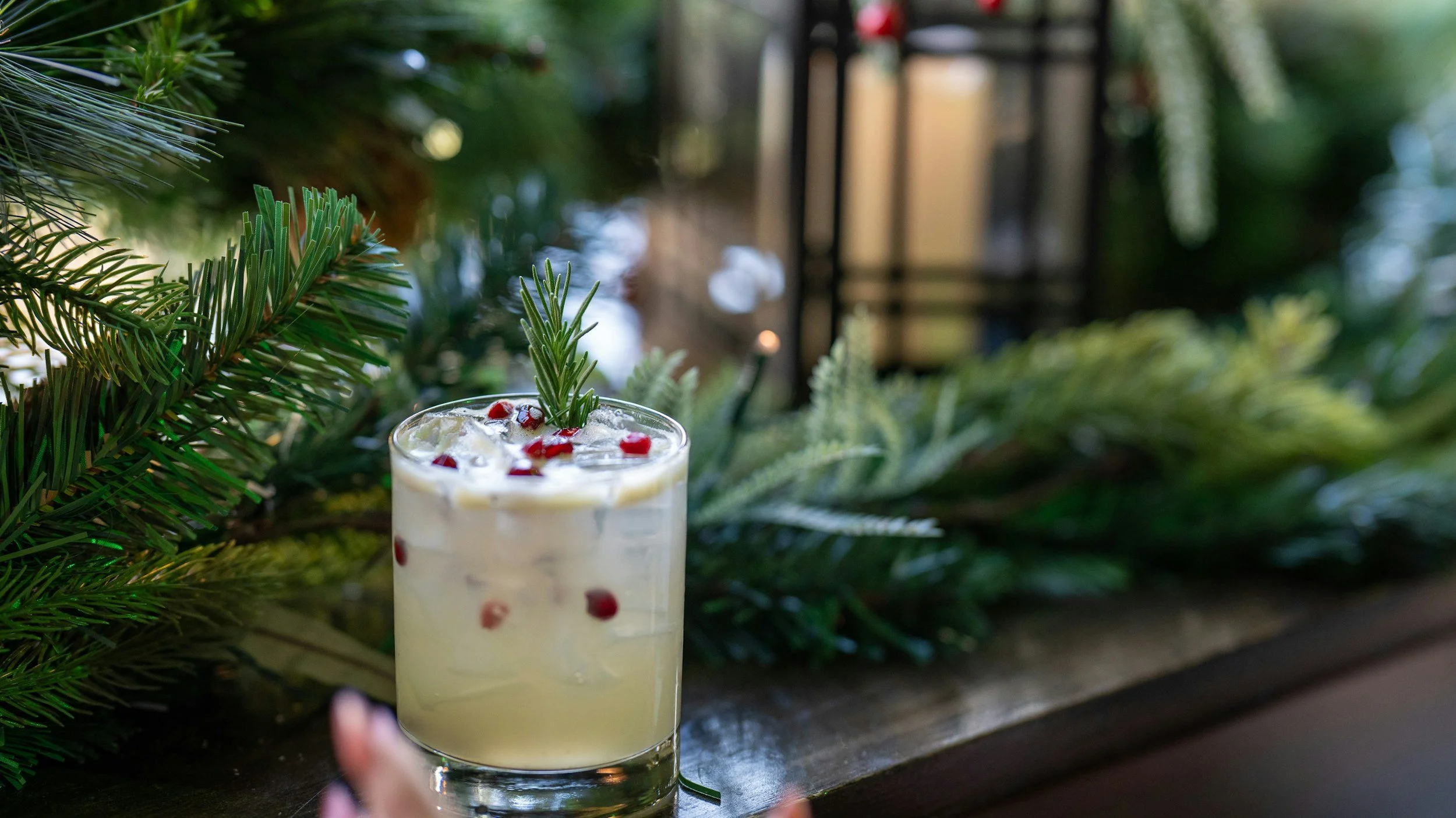
It’s that time again! We are inching towards the New Year, and towards office and family parties galore. Hoping to toast to the upcoming year with friends but worried about staying on track with the goals that you’ve set for your health? Are you trying to lose weight but also hoping to enjoy a cocktail at the company party? And why do I sound like a pharmaceutical ad?
I have no good answer for the last question, but let’s go over how alcohol affects the body, and realistic ways to enjoy a beverage (if that’s your preference) while achieving the goals you’ve set for your health.
How does alcohol affect the body?
For our purposes, let’s look at this question solely in terms of nutrition.

Alcohol is not required in the diet and therefore has no beneficial function.
Because the body perceives alcohol as a toxin of sorts, it makes the metabolism of alcohol its priority above all other macronutrients in order to get it out of the body. This means your body will burn off the alcohol for energy BEFORE it uses any fat, carbs, etc. in your body for energy.
The presence of food in your stomach (no matter the type) is the most important factor in slowing the absorption of alcohol into your bloodstream. It also increases the rate at which your body metabolizes the alcohol!
Did you know?
When you’ve eaten food before or during consuming alcohol, dilute alcoholic drinks (like beer) are actually absorbed into the blood FASTER than concentrated beverages. Also, drinking alcohol in a carbonated beverage will increase the absorption compared to noncarbonated beverages.
The biggest potential effects…
As you may know, habitual alcohol consumption may lead to some hazardous effects on your health (over 200 conditions to be exact) like:
Liver Disease
Cirrhosis
Cancer
Cardiovascular Disease
*Women are particularly susceptible to alcohol-related diseases and illnesses (increased risk of breast cancer being a particular concern even with moderate alcohol consumption).
Is there any good news?
Well, wine does contain polyphenols, antioxidants, and flavonoids. Beer also has carbohydrates and some vitamins and minerals. The alcohol itself has no nutritional value, however.
Ok, now for the advice…
Realistically, you may be hoping to enjoy a beverage or two with friends and family. So how can you imbibe while keeping your nutrition-related goals in mind?
The challenges:
Calories from alcohol can add up. For example, among the lightest drinks are 5 oz white wine (121 calories), 1.5 oz rum (97 calories), and 12 oz light beer (110 calories). Calories from mixed drinks can be much higher from all the additives.
Poor dietary choices are often made before, during, and after alcohol is consumed, leading to excess caloric intake.
Alcohol is used for energy first, and any carbs or fats consumed alongside it will be treated like excess calories and stored for later.
What can you do?
Set a limit! Plan to have only 1 or 2 drinks before going to the party or dining out.
Start with water or a non-alcoholic drink.
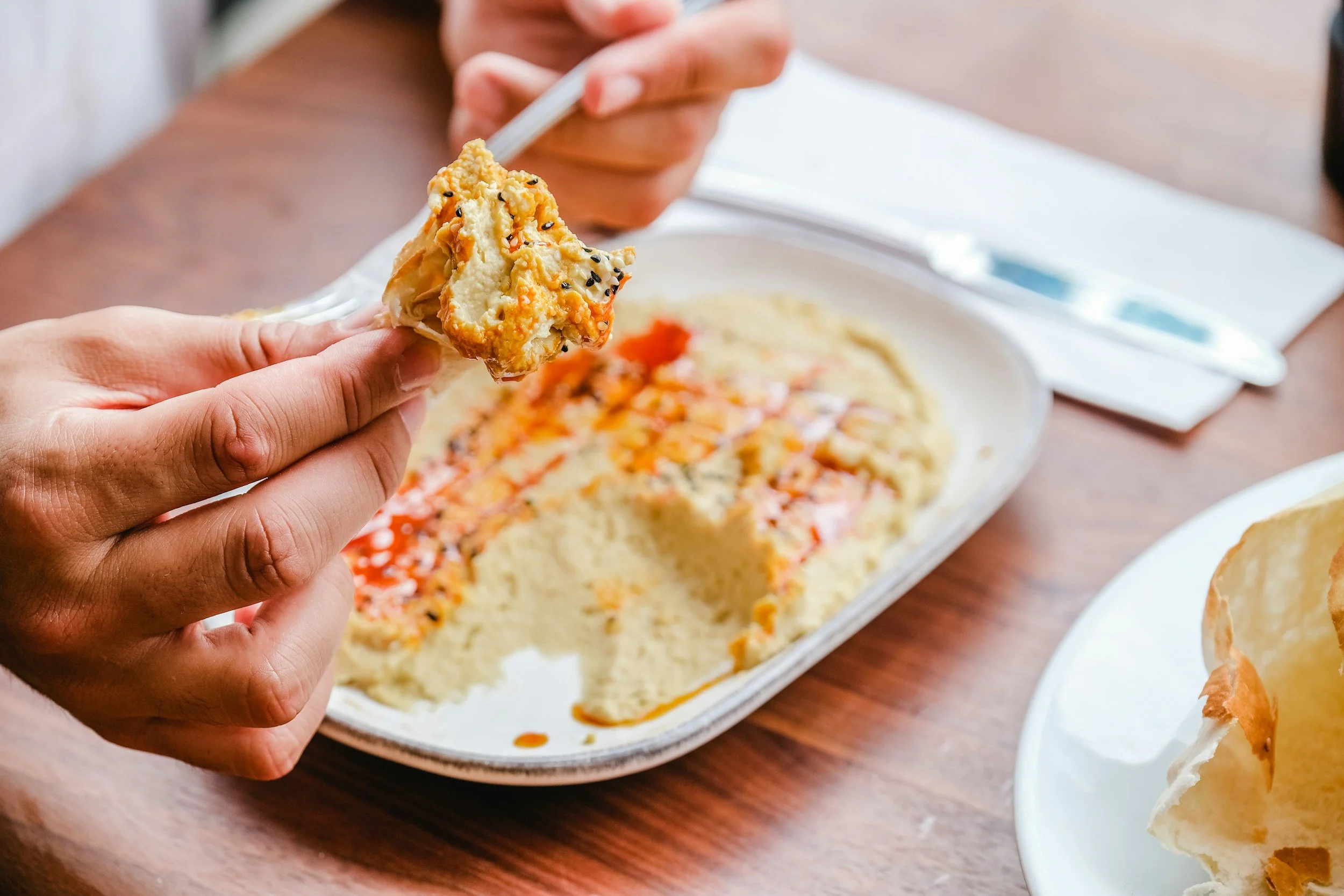
Eat before imbibing and choose more nutrient-dense foods while out at the bar, like hummus and pita, shrimp cocktail, or grilled calamari.
Consider choosing either drinks or dessert. Once your nutrient requirements are met, about 14% of your total daily calories can come from anything you like, which usually includes solid fats, added sugars, and alcohol. For a 2,000-calorie diet, that’s 280 calories.
Did you know?
Drinking 2 Long Island Iced Teas over the course of 2 hours is the equivalent of 7.5 standard drinks!
When consumed at high levels, alcohol can reduce the amount of lean muscle mass in the body (men being affected the most).
Bonus Tip!
Alcohol may seem like a good idea to help you sleep (it makes you drowsy and reduces the time it takes to fall asleep), however, once you are asleep, it can disrupt normal sleep patterns so that the quality of sleep is actually reduced. Avoid alcohol in the hours leading up to sleep!
Hi, I'm Cassandra! I'm a Certified Personal Trainer, Nutritionist, and Pre/Postnatal Fitness Specialist based in New York City where I've also been performing in theatre and film since 2015. I began studying with the National Academy of Sports Medicine so that I could help battle the harmful effects of diet culture and body shaming I was seeing online by spreading evidence-based information that will help you lead a more balanced, healthy, and mobile life!