Why Your Feed is Filled with Protein
Happy New Year and welcome to the first Coaching Corner Newsletter of 2026! I hope your holidays were restful and you're feeling reenergized and ready to dive into new topics.
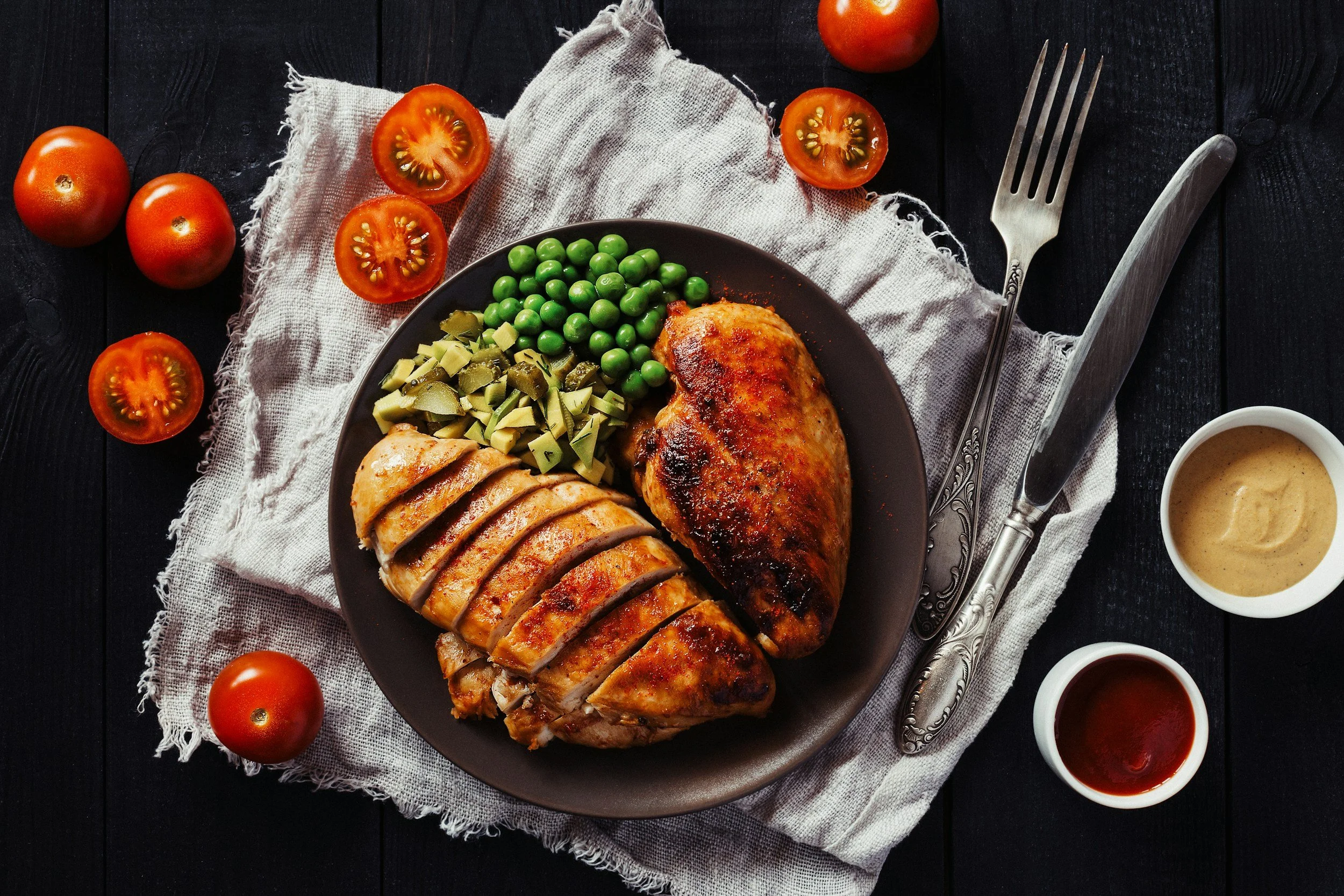
If you're over the age of 30, your algorithm may be feeding you (pun intended) a slew of high-protein recipes and tips on "how to add more protein into your diet." On top of that, we've recently been introduced to new dietary guidelines in the U.S. with not only emphasis on protein, but on some very specific proteins that were not previously generally encouraged. So, what's the deal with protein and what advice should you actually be taking? Let's chat!
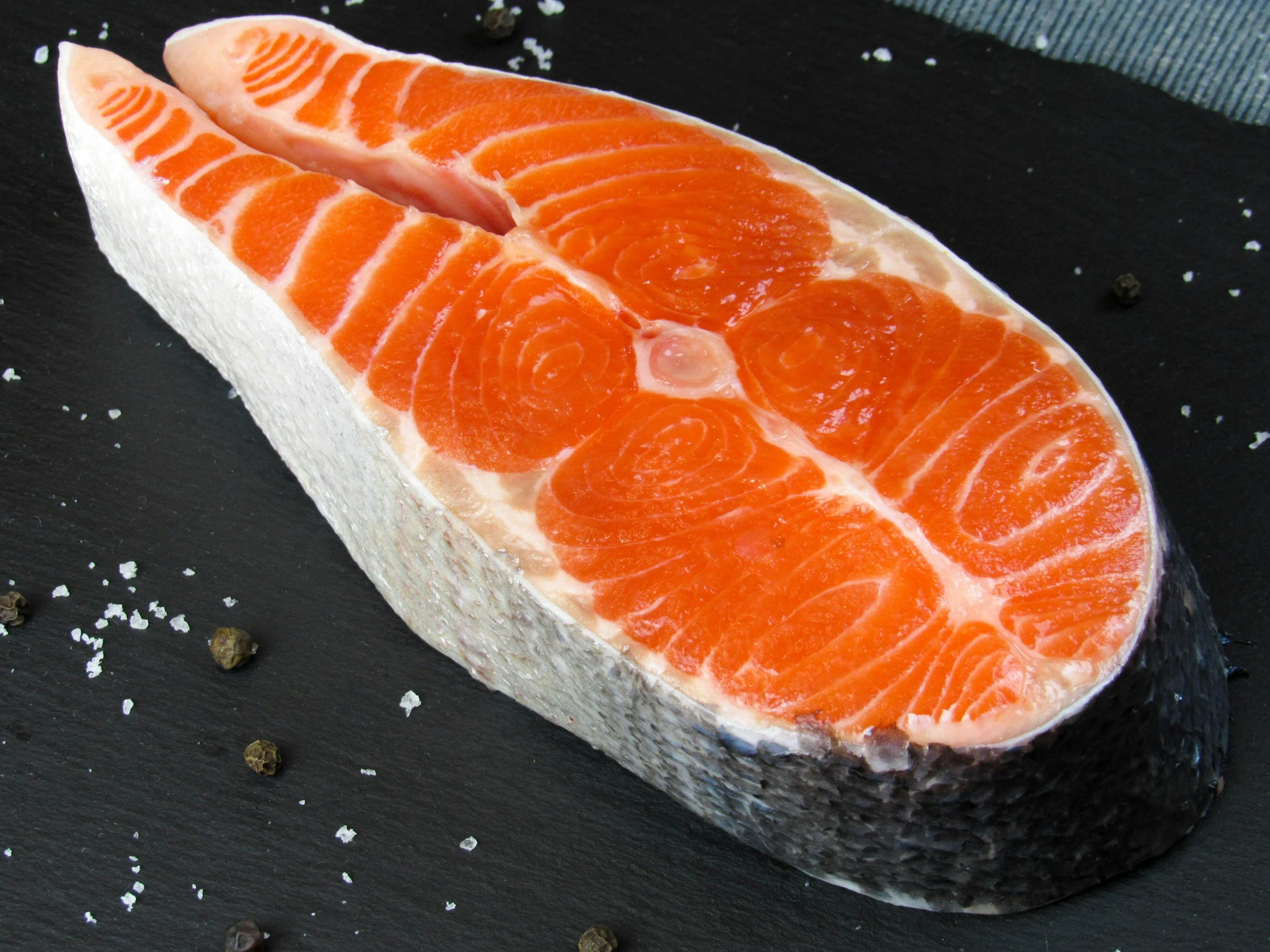
It can be argued that protein is the most important macronutrient (the others being fats and carbohydrates). It is not going to be your primary source of energy like carbs and fat, but it is literally what makes a human being! Muscles, bones, hormones, neurotransmitters, etc. are all derived from proteins. We also discussed the importance of protein in the immune system in a previous blog post.
How much protein do you need?
Well, that depends! Your daily requirement will largely be based on your body size, your body composition goals, and your activity level (active exercisers require more protein for the repair and recovery of muscle tissue). In general, you need between .8 grams (at the very bare minimum) and 2.2 grams of protein per kg of bodyweight per day.
Too complicated? Let's simplify by using your hands! One palm equals one serving of protein (about 20-30 grams depending on your hand size). Aiming for 4 palm-sized portions of lean protein per day would be an excellent target for most people.

People who are trying to lose weight often lose muscle mass along with fat mass in about equal proportions when following typical calorie-restricted diets. In order to maintain as much muscle mass as possible, you need greater protein intake (1.8 grams to 2.2 grams per kg of bodyweight per day) and regular resistance training.
Can you eat too much protein?
Probably not! Going over your recommended serving of protein will have few, if any, negative consequences. (It might be a different story, however if you're also taking in too many calories, too much saturated fat, etc.)
What if you're a vegetarian or vegan?
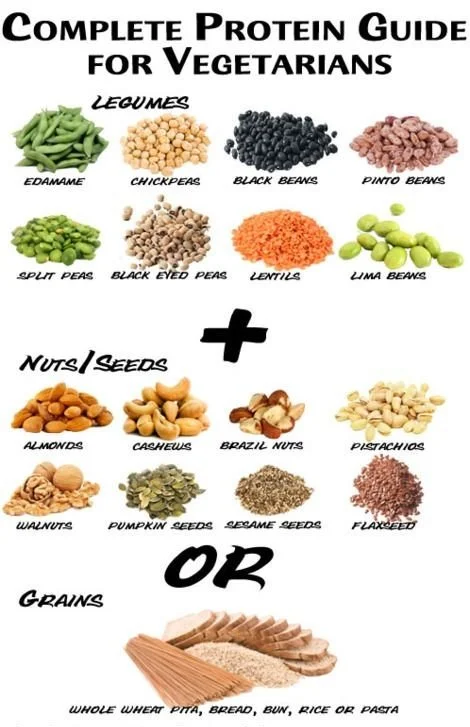
Have no fear vegetarians! We need to create what are called "complete proteins" in our diets, which provide us with the essential amino acids (building blocks of protein — do you feel like you're back in high school yet?) that our body needs and cannot make itself. Animal proteins are already complete proteins and so is soy! In general, people following a vegetarian or vegan diet can pair grains or nuts/seeds with legumes in order to create a complete protein. Some common examples would be rice and beans, wheat bread with peanut butter, pasta with peas, and lentils and almonds. These complementary proteins don't even need to be eaten together in the same meal; they can be eaten over the course of the day to create the complete protein. And no one protein is better than another — plant-based protein choices are just as good as animal!
Is it true that you need to eat protein immediately following a workout to make more gains? Not really. If it helps you get more protein into your diet overall, that'll help build more muscle, but overall, you don't need to be concerned with the timing as long as you're eating balanced meals with protein throughout the day.
Let's talk about the new dietary guidelines just released in the U.S.
Here in the U.S. a new food pyramid was just released as guidance for structuring the diet. In it, red meats are being encouraged though they have higher amounts of saturated fats as health officials are "ending the war on saturated fats."
While red meat can be incorporated into a healthy diet, because they can be high in sodium and saturated fat, they can increase your risk of cardiovascular disease, heart disease, and "bad" cholesterol levels.
What proteins should you actually be choosing? According to the American Heart Association, you should be choosing plant-based proteins, seafood, and lean meats. Saturated fat should be limited to 10% or less of your daily calories. Red meat has also been recently identified as "possibly carcinogenic" and processed meats (like hot dogs) as "definitely carcinogenic."

Hi, I'm Cassandra! I'm a Certified Personal Trainer, Nutritionist, and Pre/Postnatal Fitness Specialist based in New York City where I've also been performing in theatre and film since 2015. I began studying with the National Academy of Sports Medicine so that I could help battle the harmful effects of diet culture and body shaming I was seeing online by spreading evidence-based information that will help you lead a more balanced, healthy, and mobile life!